Culture, Stories & Traditions
Boats and Fishing in the Past
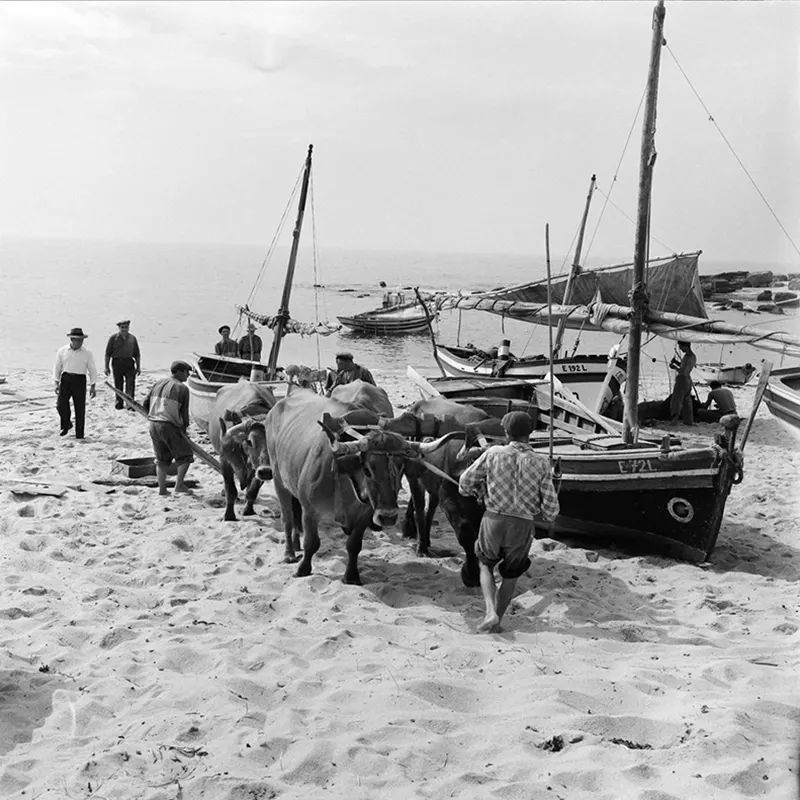
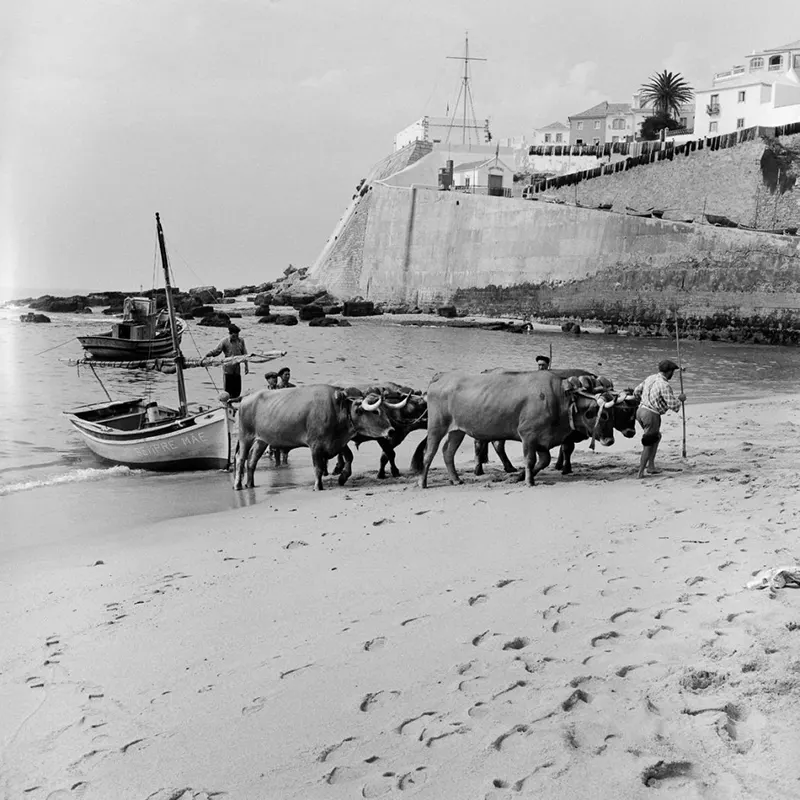
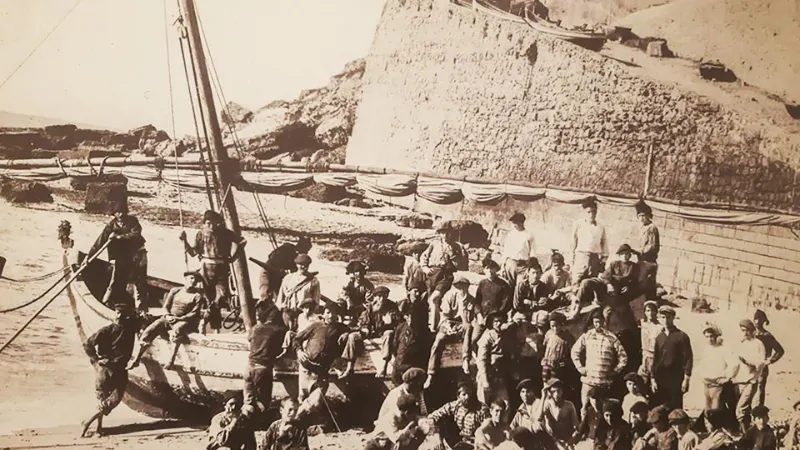
It is well known that fishing in Ericeira has been a vital source of sustenance for the local community over the years, estimated until the end of the 19th century. It is said that, at that time, it was considered offensive to call the man of the sea from Ericeira a "fisherman," as he was a "mariner" because seamanship is an art, and fishing is a profession.
"Hake boats" were used, vessels with 40 spans of keel and over 9 meters in length. On the other hand, "focinhadas" were used, which were flat-bottomed boats about five meters long, considered an "aberration" in terms of quality, as in this coastal sector, agitation and strong winds require keel boats that provide stability and navigation for sailors.
Ericeira was invaded by sardine fishing boats in the 20th century (which disappeared 30 years later). These brought advanced fishing techniques, such as nets, further boosting the fishing activity in the region.
From this period, artisanal fishing by smaller vessels continued, with fleets of slender 5-meter canoes, very sail-efficient and adapted to the characteristics of the local sea and climate.
Some of the fishing methods used date back just over a century, such as the process of nets called "rascas," made with sisal or cotton threads, fixed with stone anchors ("poitas"), forming curtains that trapped fish in the net meshes.
Fishing continued until the end of the pure artisanal fishing period, with hook and removable "muelles" devices for shellfish fishing. Clay pots or "alcatruces" were also used, but they were not very efficient due to the agitation of the area's waters. This utensil was taken by our sailors to Africa, where it still exists and is used by local tribes.
The "altomóve" is a cone-shaped net bag, with a wire hoop one meter in diameter, baited with pieces of sardine ("obeliscos") and thrown into the sea in relatively deep areas, especially attracting pout. Hauled back to the boat at high speed ("alaje"), it brought in the fish that entered it.
An important fact is that, in the years before World War II, lobsters from Ericeira were already being exported abroad.
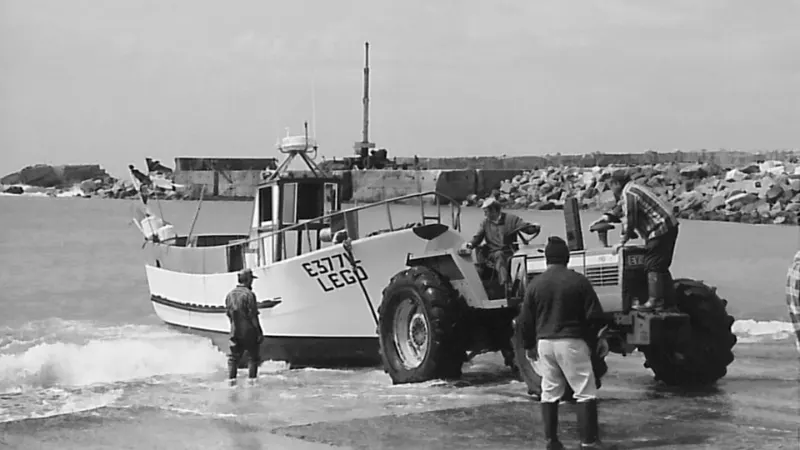
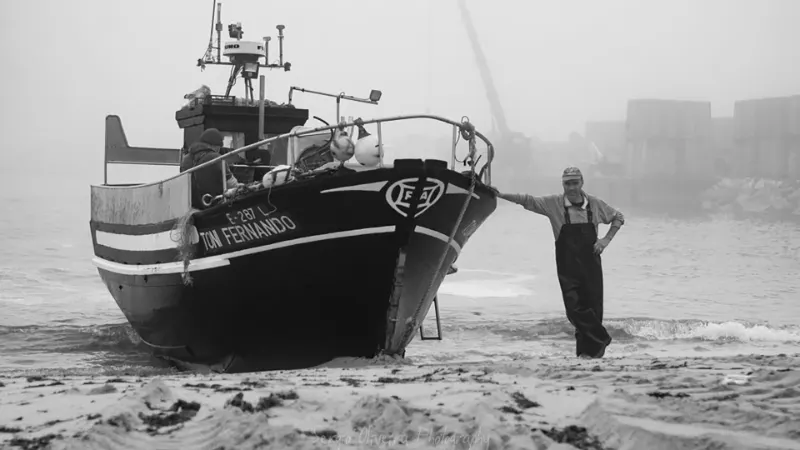
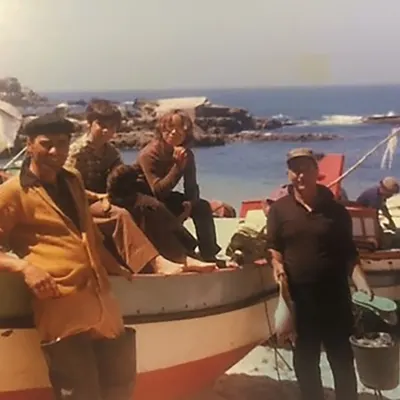
Despite these challenges, fishing remains an important part of Ericeira's identity. Today, local fishermen continue to go out to sea to catch fresh fish and shellfish, and the sale of fishery products is an integral part of the local economy. Additionally, the fishing tradition and culture remain alive in the community, and many visitors to Ericeira enjoy the flavors of the sea in local restaurants and markets.
Photos
Related guides
Discover more on Sailer
Events, activities and local businesses in Ericeira & Mafra, all in the Sailer app.